The Elements Behind Our First Collection
A collection begins as an idea. It becomes real through drawing, cloth, hands and revision.
01 · Concept
Clothes for the pace and light of California.
TAFA began with a clear purpose: to make everyday clothes feel resolved. For our first collection, we studied silhouette, shade and touch, then removed anything that felt decorative or accidental. Each piece had to earn its place through comfort, proportion and use.
We want the clothes to settle into your life. They should feel familiar when you first put them on, then become more personal through wear.
02
Design
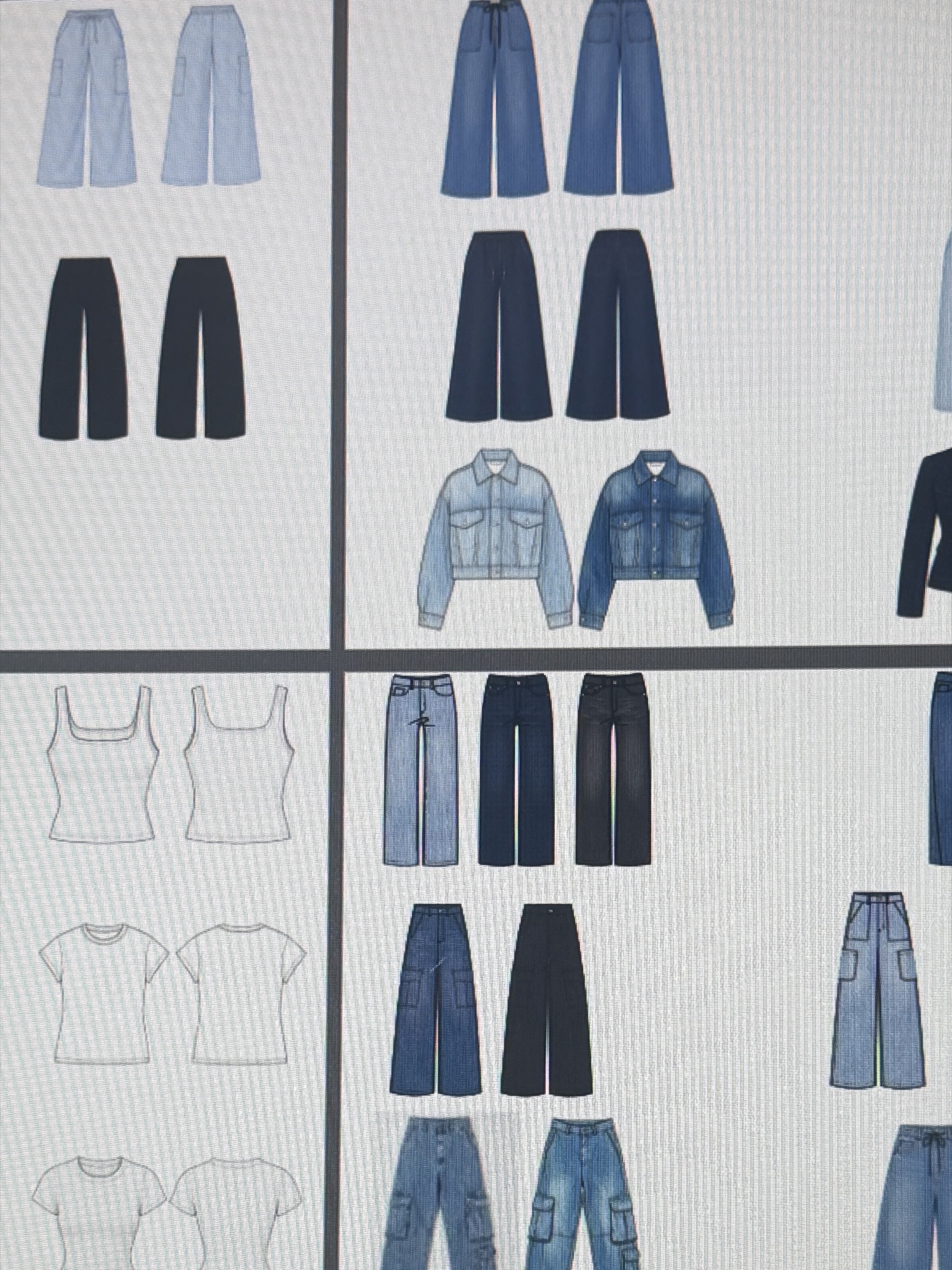
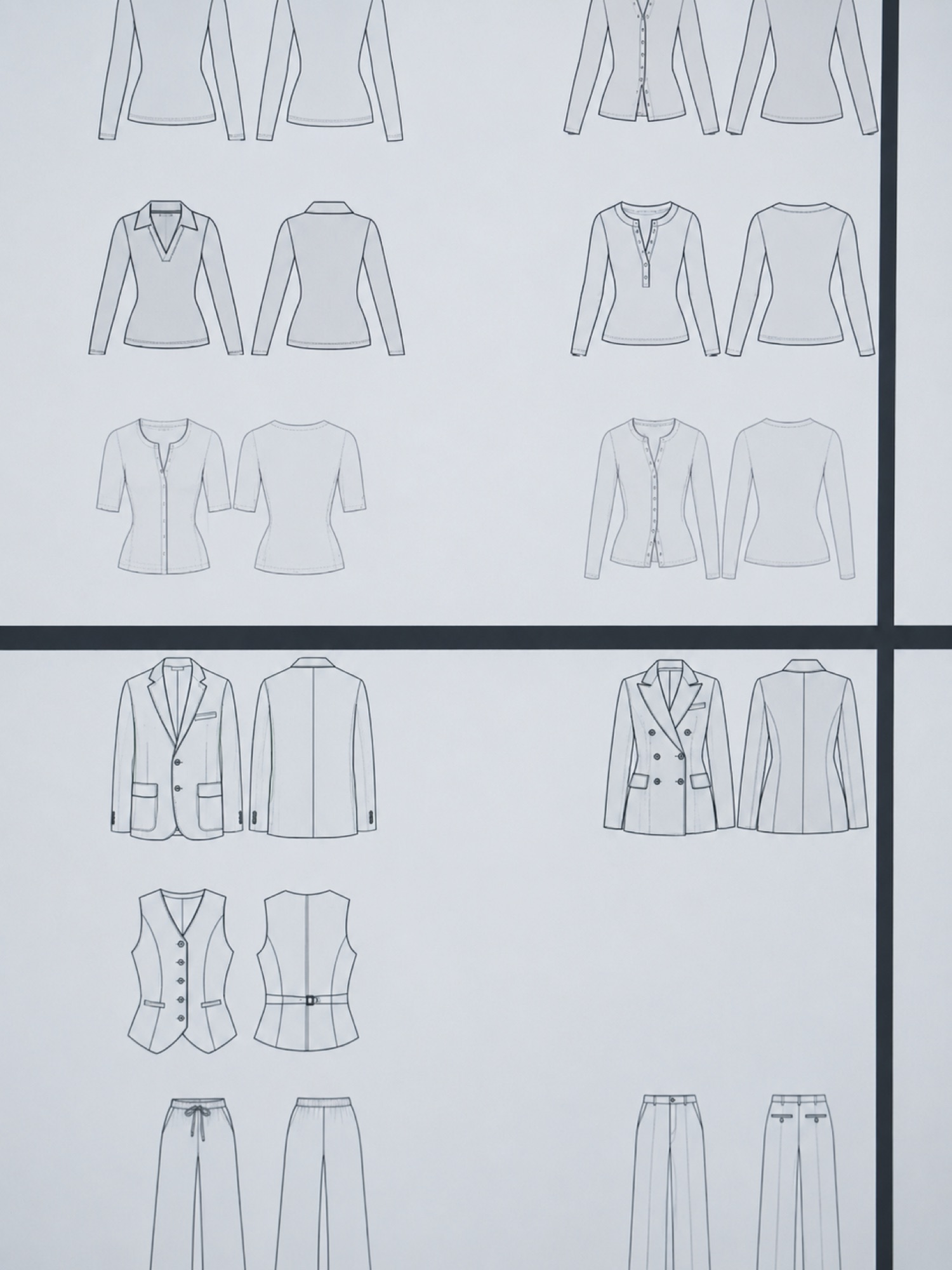
We draw in families, testing how a line can move across a shirt, jacket or trouser without losing its purpose.
A digital sketch gives us the first structure. From there, we adjust proportion by degrees: the width of a leg, the break of a shoulder, the height of a collar. The collection grows through these small decisions, one garment in conversation with the next.
03
Fabric
The right fabric has to satisfy the hand before it satisfies the eye.
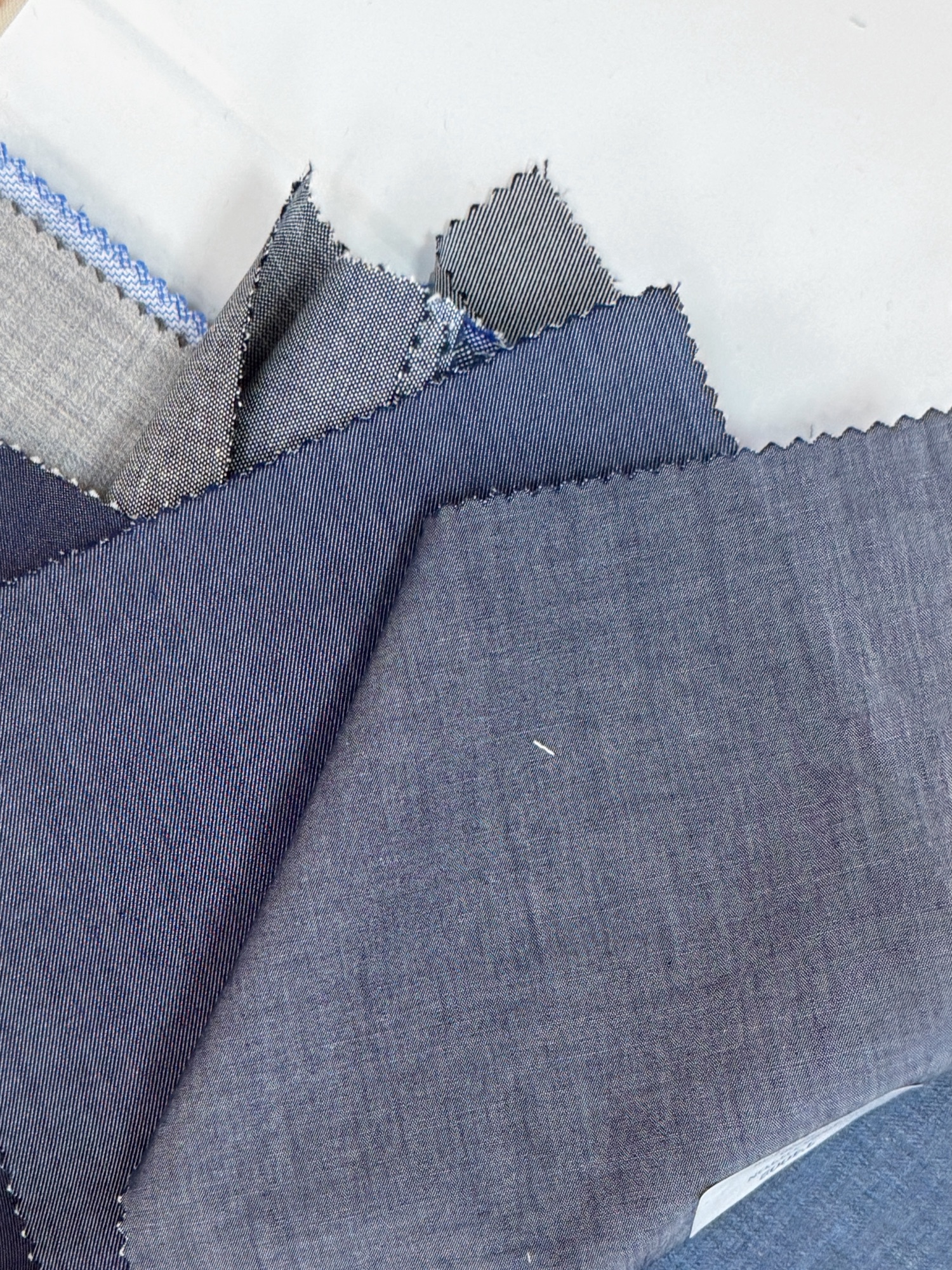
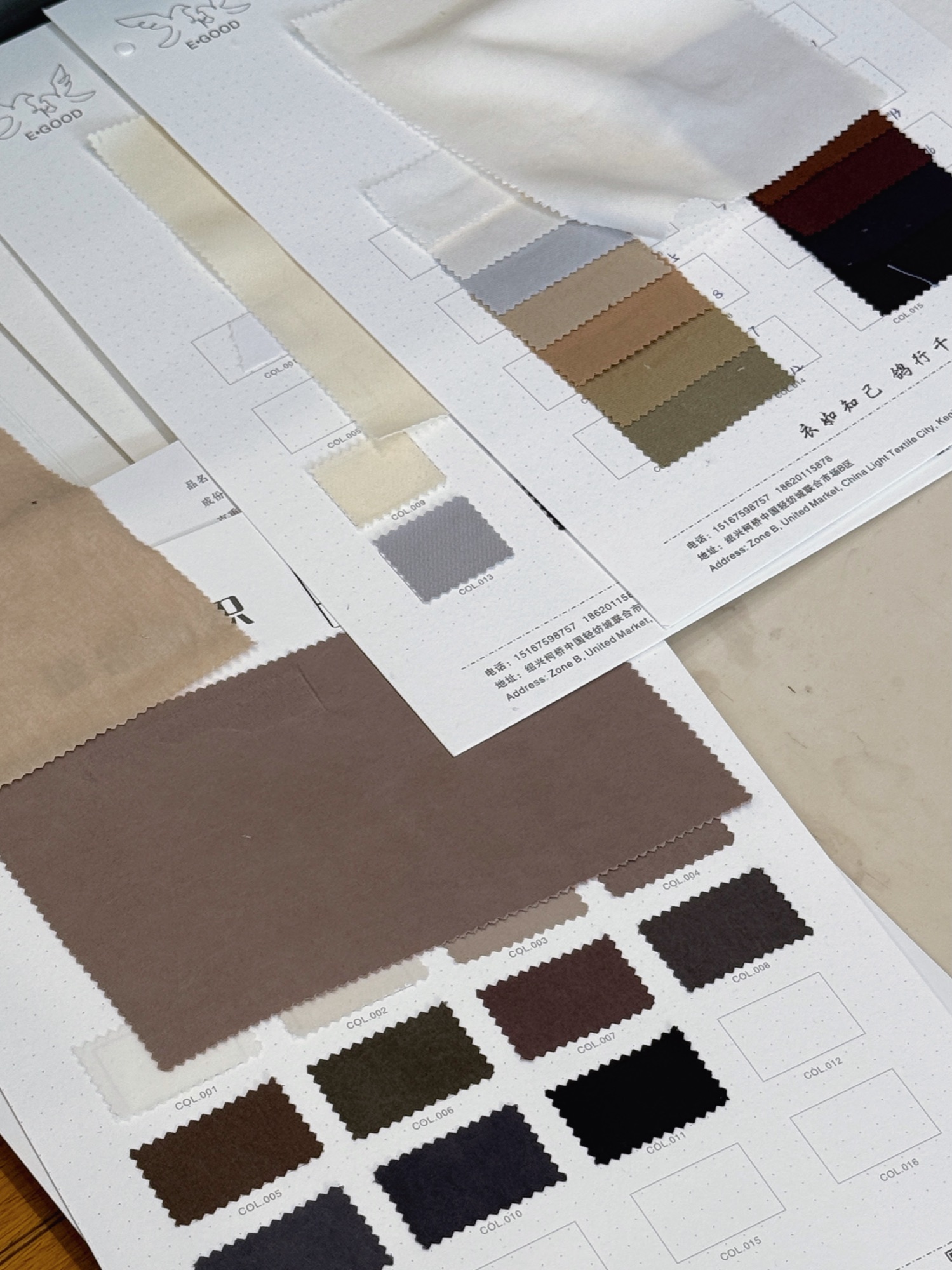
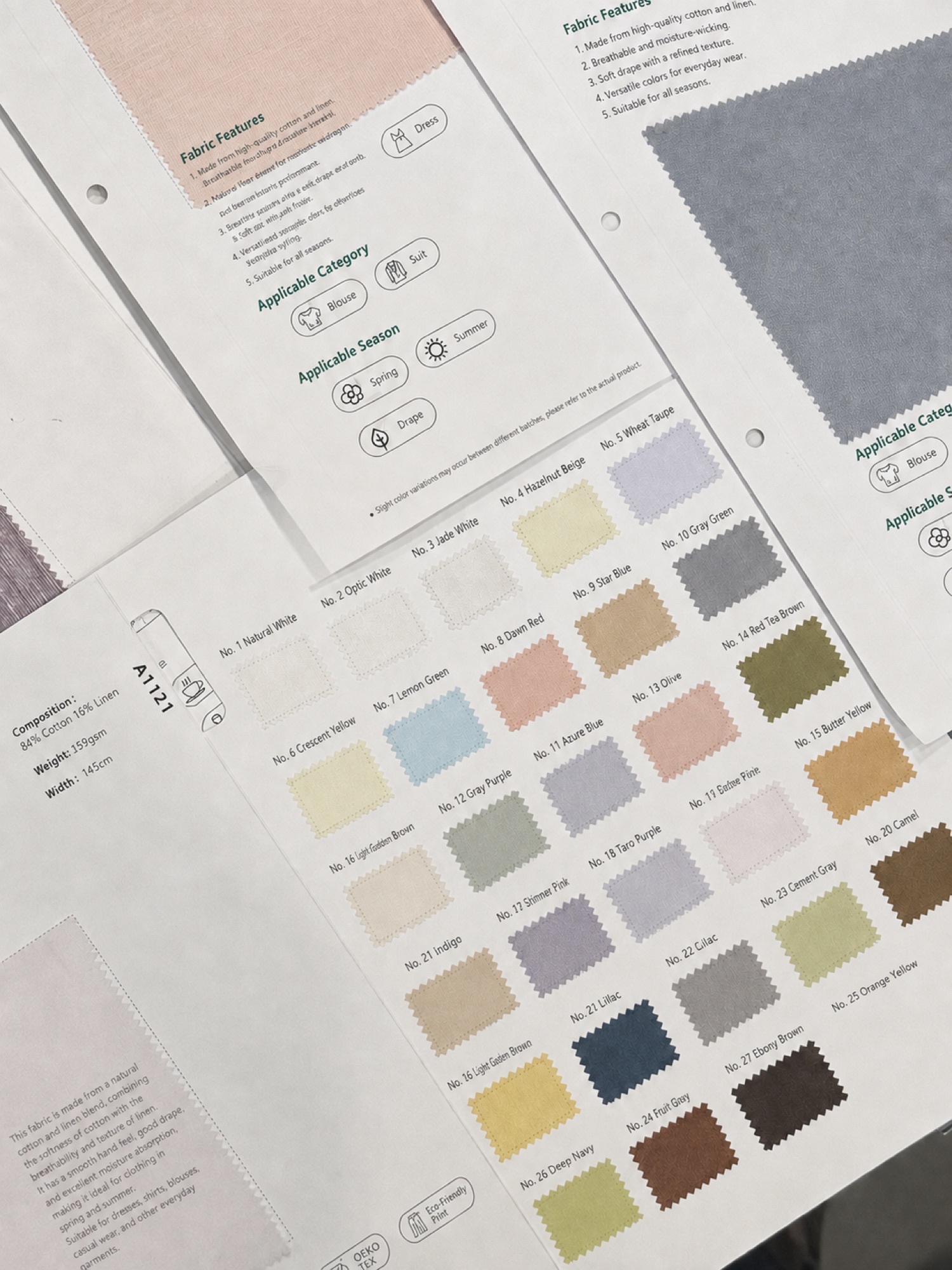
We reviewed materials from mills in Korea, Italy and China, comparing natural-fibre content, weight, drape and surface. We folded, washed and handled each option against the shape it would become. The final choices use natural fibres wherever they best serve the garment.
Longevity starts with contact. Linen softens. Cotton takes on the memory of wear. We chose materials that can change with the person who lives in them and still hold their form.
04
Testing
Every style starts at zero, then passes through experienced hands.
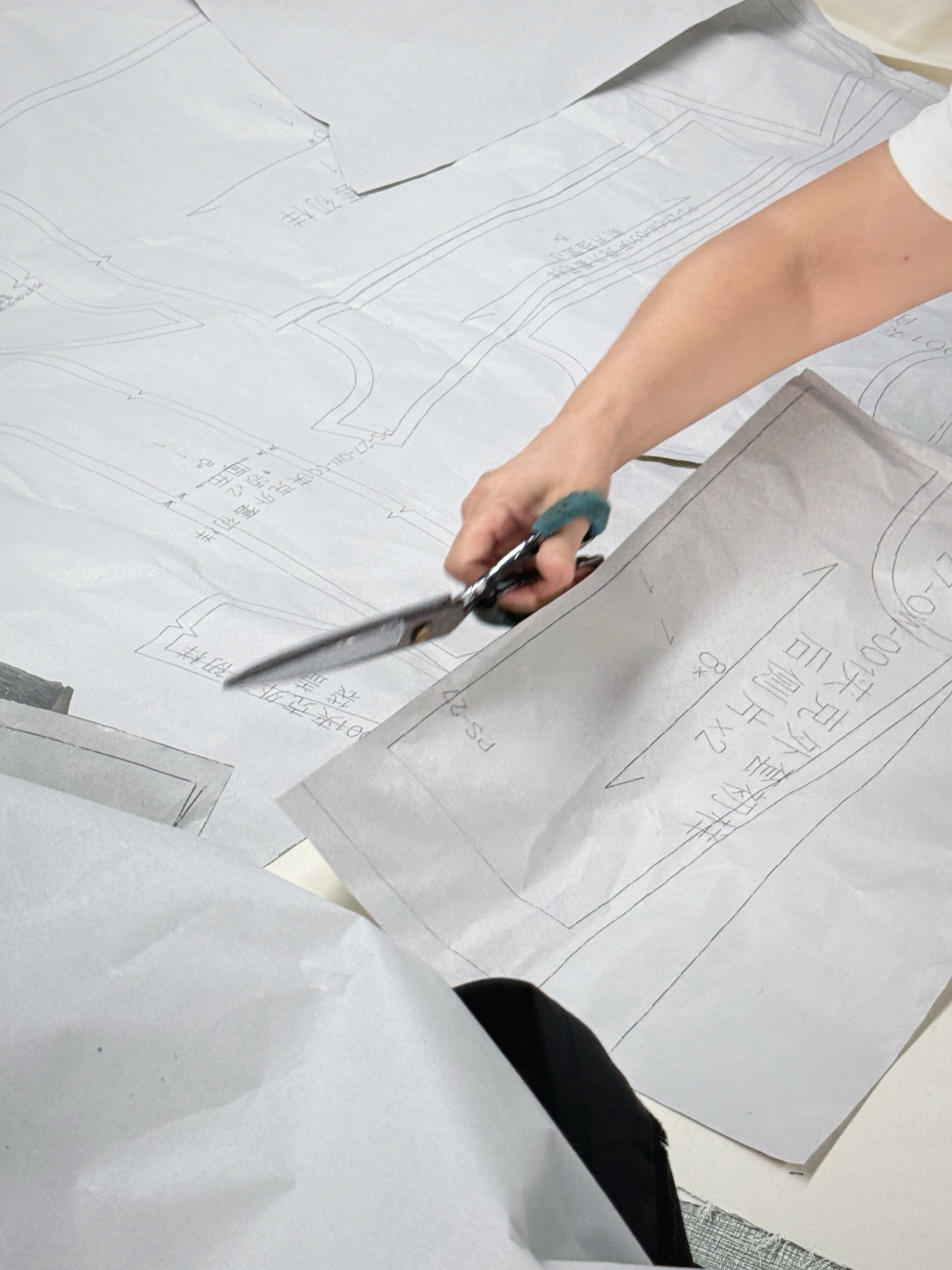
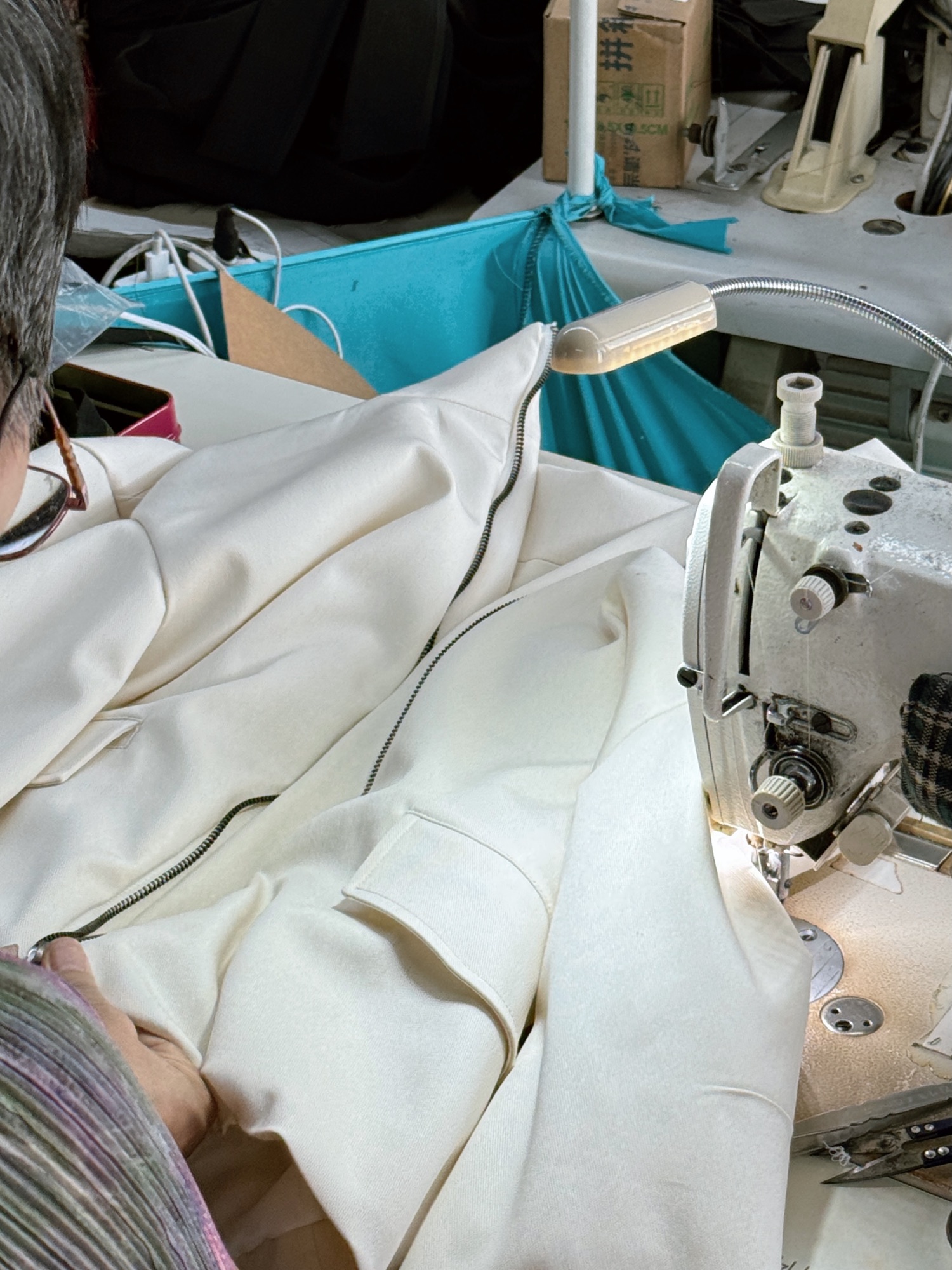
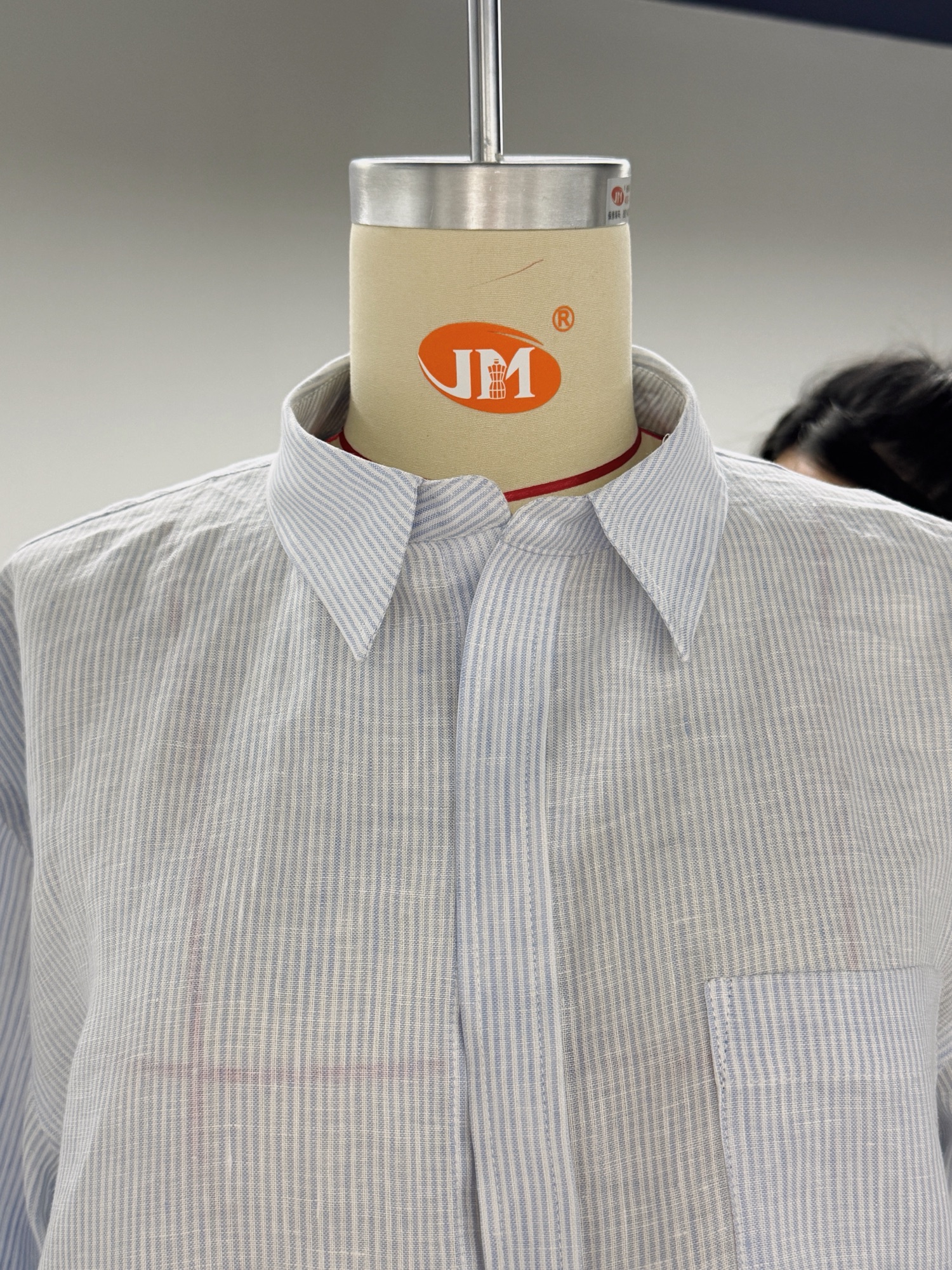
Our studio pattern makers and tailors bring more than forty years of experience to the collection. They translate a digital drawing into paper, cloth and volume. Their knowledge lets us see where a line needs more ease, where a seam should move and how a garment can sit closer to the body without restricting it.
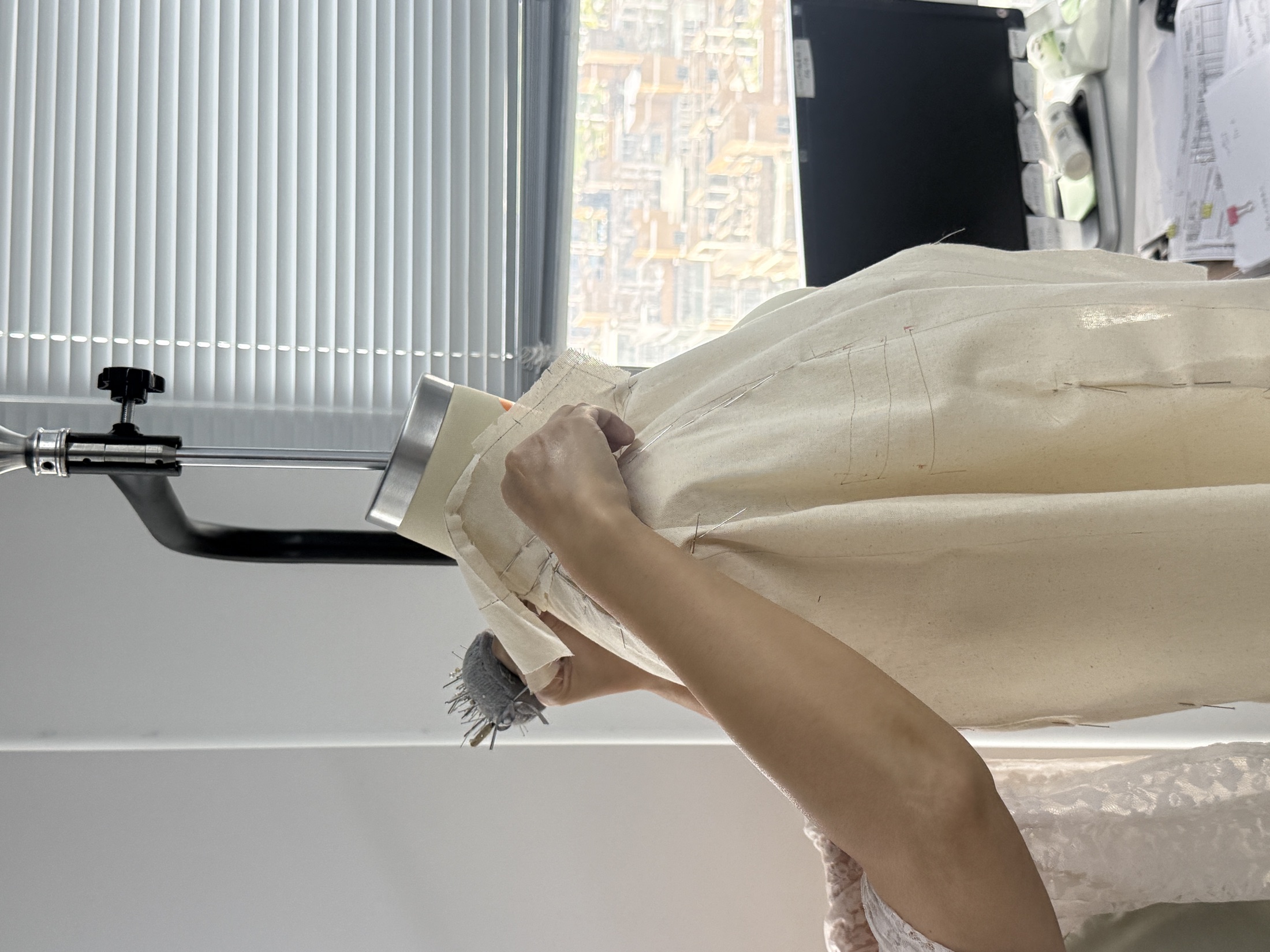
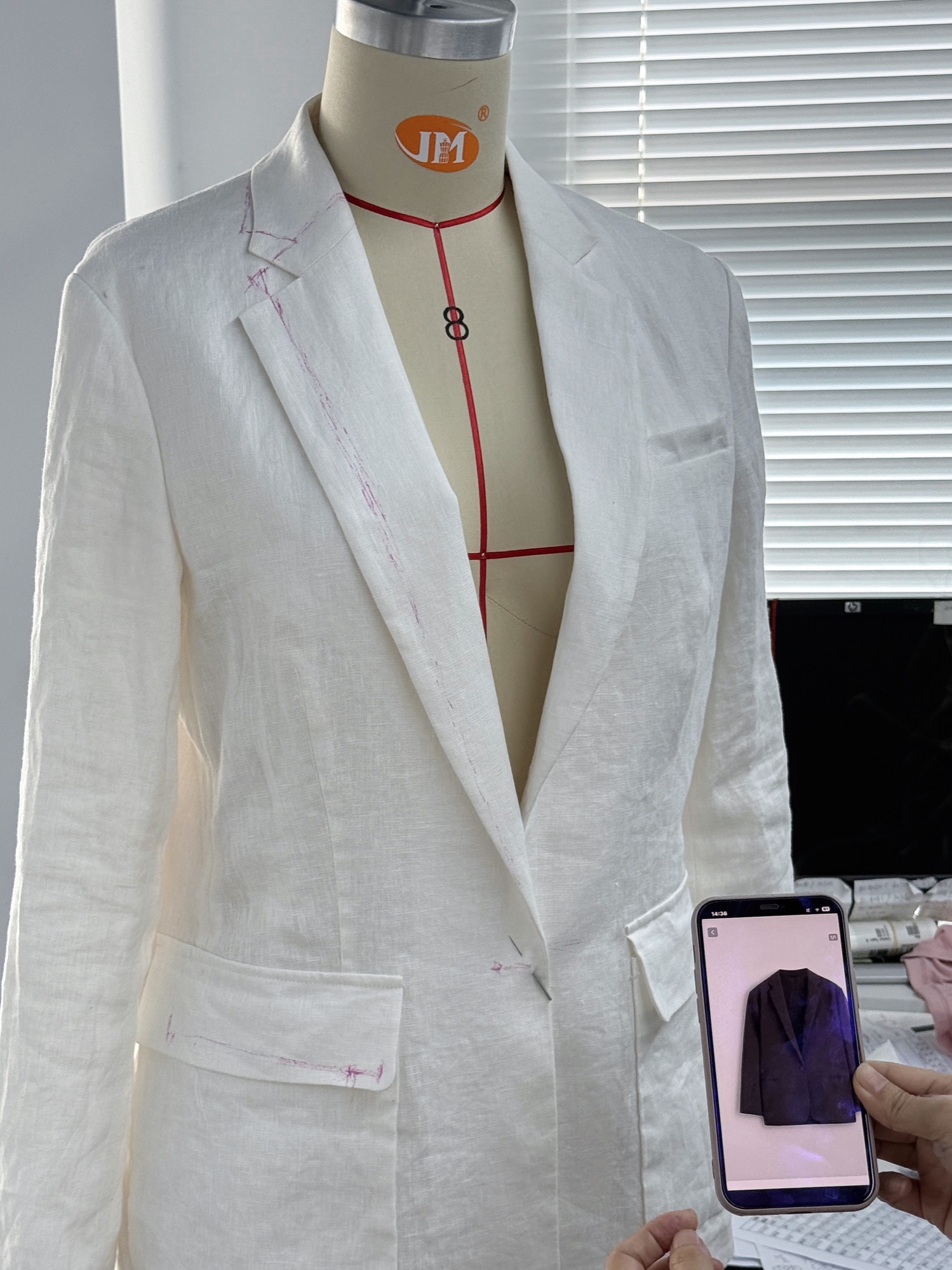
No sample is treated as final. We fit, mark and remake. We shape the collar in three dimensions, reconsider the scale and placement of a button, and wash-test the fabric to account for shrinkage. The work continues until each detail supports the whole.
04.1
Handmade samples
Drawing, pattern cutting and hand-guided construction.
04.2
Detail review
Collar height, lapel roll, pocket position and balance are marked directly on the sample.
04.3
Specifications
After each fitting, we return every correction to the technical specification: measurements, construction, stitch direction, hardware placement and fabric behavior after washing. The record gives our makers a precise shared language and keeps the intent of the original design intact.
TAFA Journal · Development 01